
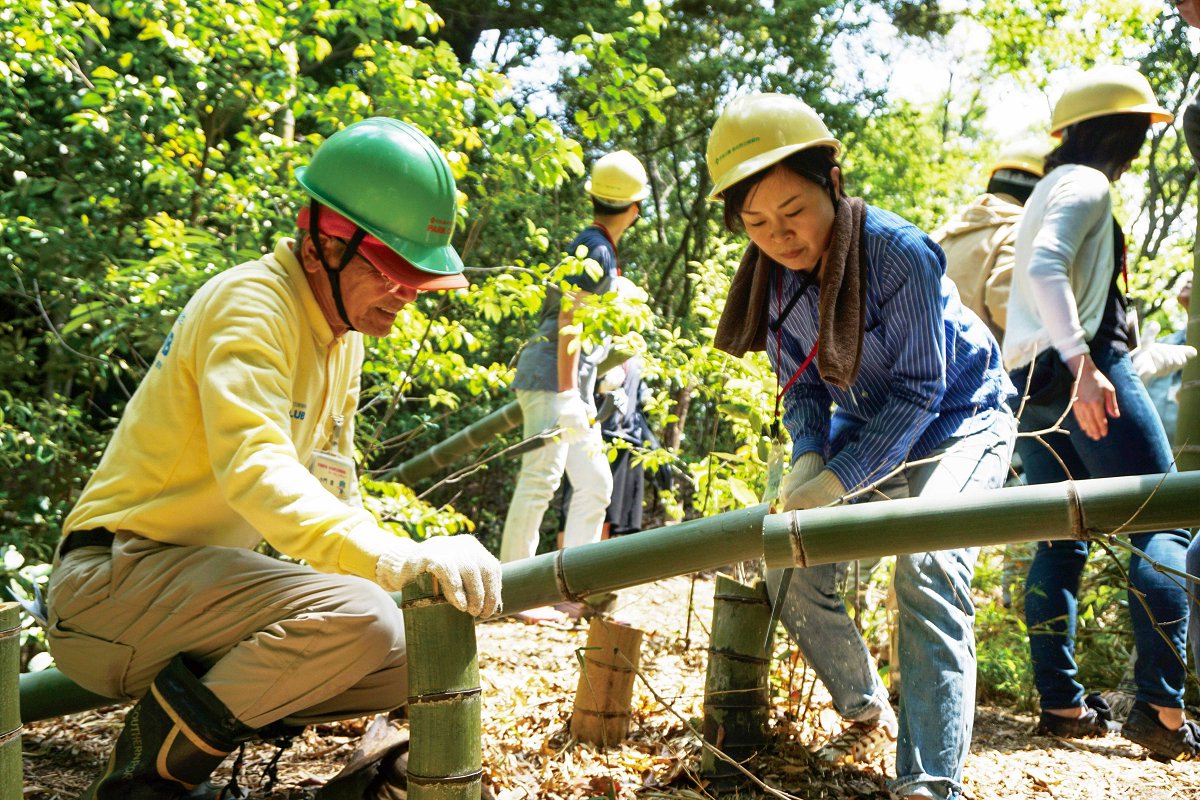
Community Design Practice in Japan
Ryo Yamazaki reports for Favas.net on his community design practice and like to share in this report some fascinating and groundbreaking examples of his practice. “Local community should not be treated as passive customers. Architecture should not focus only on bold design expressions. Highly specialized planning in transportation, housing, green spaces, and infrastructure should not proceed without citizen involvement. It must be carried out together with the community.” Ryo Yamazaki is Managing Director, studio-L / Professor, School of Architecture, Kwansei Gakuin University
Context of Population Decline and Ageing
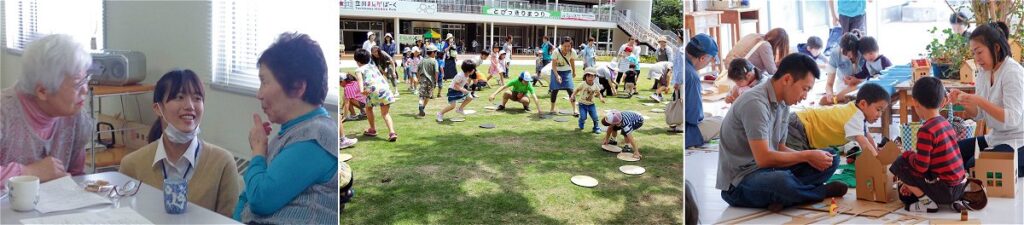 Japan’s total population began to decline in 2005, and it has now been decreasing for nearly two decades. Along with this, tax revenues have also continued to fall. As a result, it has become difficult to build new public facilities in the way that was once possible.
From outside Japan, architects may still appear active. However, many of those who are internationally recognised today developed their careers during the earlier period of population growth, when there were more opportunities for public commissions. In recent years, opportunities within Japan have decreased, and this has also led to more work being undertaken abroad.
When public projects are realised today, there is often a strong emphasis on careful and inclusive processes. Participation by residents is expected throughout all stages, including planning, design, construction, and operation. In this context, community designers are increasingly involved alongside architects and engineers.
The Emergence of Community Design
In 2005, I established studio-L as a community design practice. At that time, I was engaged in the design of public facilities. However, I gradually came to feel that it was important to reflect the perspectives of users more directly in the design process. This led me to become involved in facilitating workshops and supporting dialogue among residents.
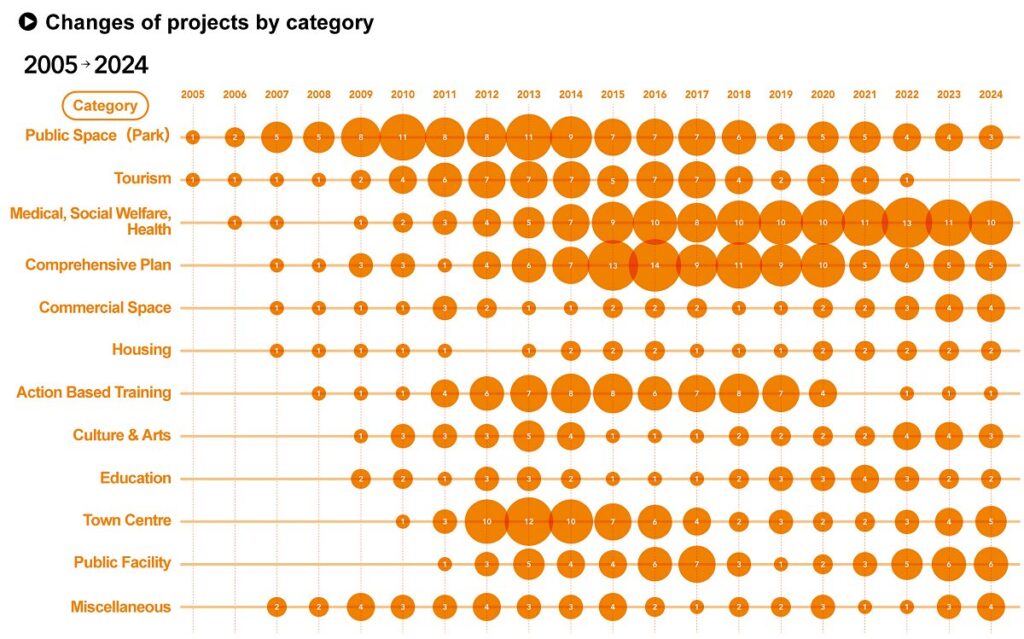
(1) Changes in the scope and categories of our projects in Japan.
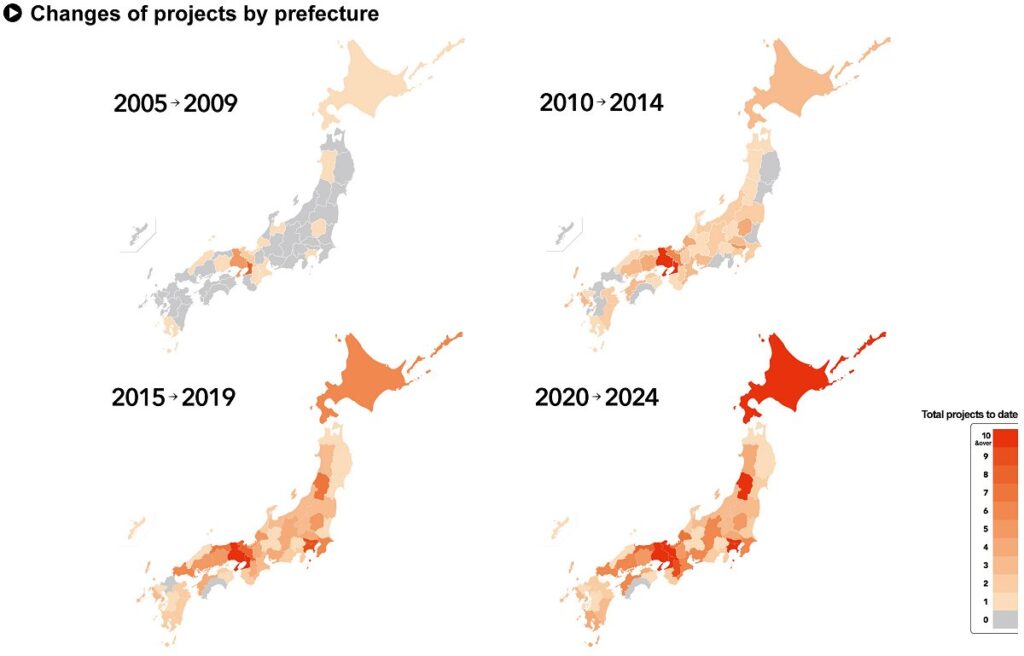
(2) Changes in the locations of our projects by prefecture in Japan.
In Japan’s earlier period of growth, it was common for public matters to be entrusted to government. Today, however, society is changing. In a context of population decline and a super-ageing society, it is becoming necessary for each individual to engage with their community, take on roles, and build connections with others in order to address challenges such as social isolation, severe natural disasters, and changes in lifestyles and social values, which may lead to greater division and weaker social ties.
Community design does not provide direct solutions by itself. Rather, it seeks to create opportunities for people to meet, to learn together, and to initiate activities. Through such processes, it is hoped that communities can become more sustainable, and that individuals may also lead more connected and fulfilling lives.
Over the past 20 years, the scope of our work has expanded. In addition to spatial planning, projects have increasingly related to healthcare, social welfare, education, tourism, art, cultural diversity and the environment. In many of these areas, participation by local residents is essential, and through our work we have learned to design and apply our methods in ways that respond to each specific context and its community.
I have illustrated the changes of our scope and areas of work in a diagram (1) and map (2). Against this background I would like to share in this report some examples of our practice.
Example – Public Facilities
In the design of public facilities such as parks and libraries, workshops are organised with local residents. Through the series of workshops, participants share knowledge, exchange ideas, and contribute to the design.
At the same time, we design our workshop for the participants to be able to build relationships with one another. In some cases, these connections continue after completion of a facility, and participants form teams that carry out activities within the facility.
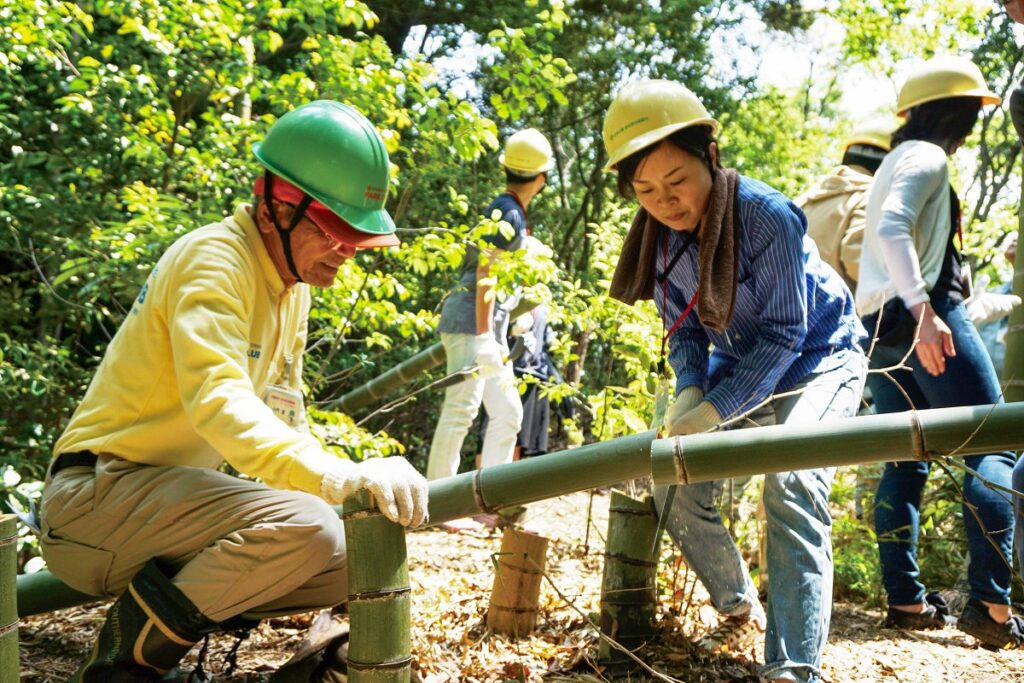
(3) People who participated in the creation of Izumisano Park (Osaka). After 10 years of involvement, the park has finally opened.
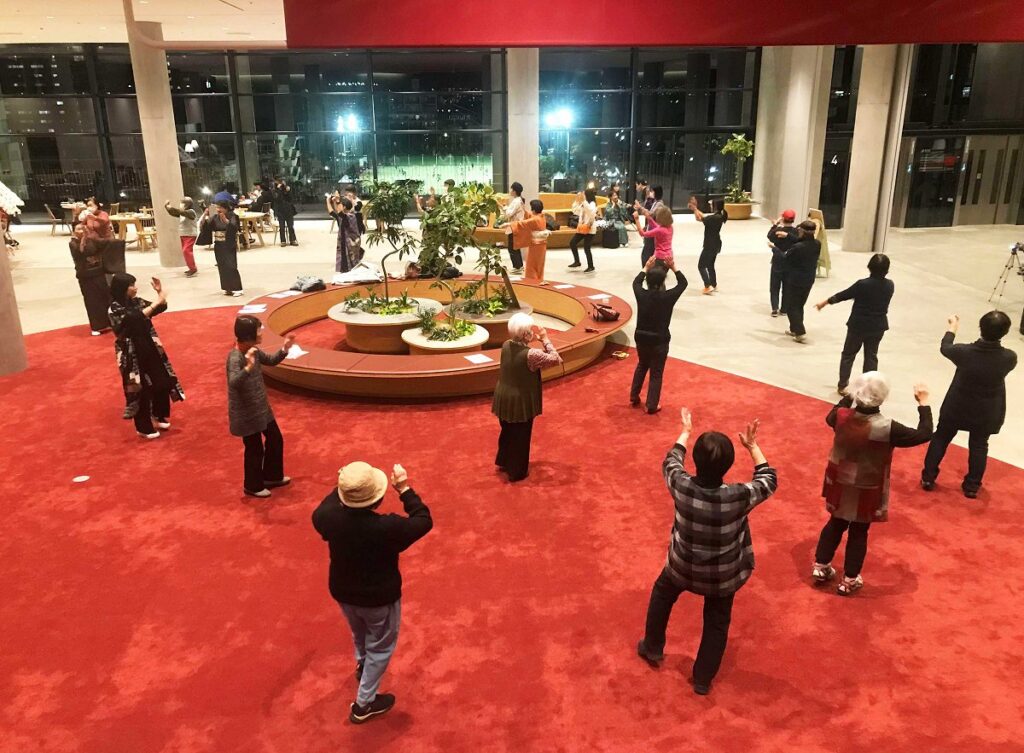
(4) A programme developed by a former workshop participant. They plan ahead to offer programmes suited to facility events and seasonal occasions such as summer holidays.
If projects are developed only through discussions between professionals and government, opportunities for residents to learn from each other or to form connections may be lost. This can also affect how spaces are used after completion. Similar considerations apply not only to new construction, but also to renovation projects.
Example – Government Planning
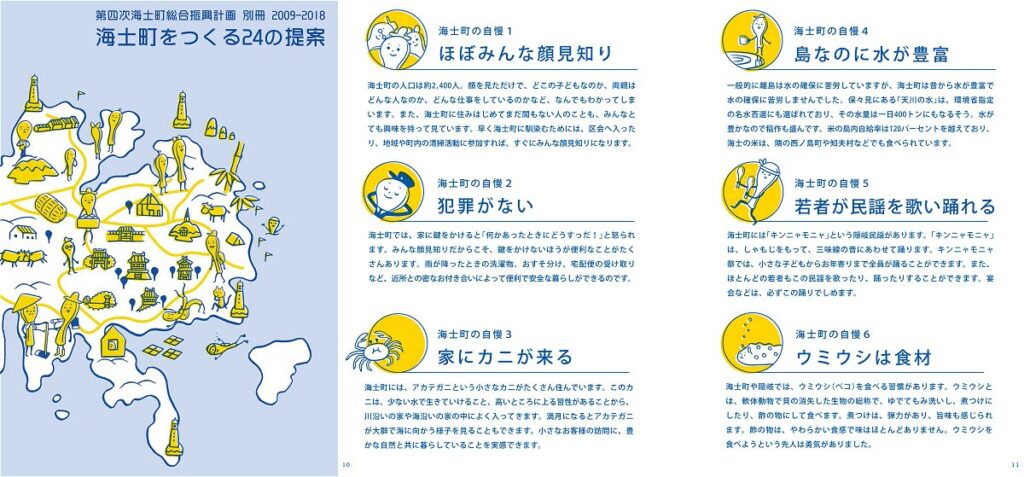
(5) Booklet of the comprehensive plan for Ama Town, a rural and remote island with a population of 2,500. It is designed for local residents aged 13 and above to read and take part in implementing the plan. Left: Fourth Ama Town Comprehensive Development Plan, Supplementary Volume 2009-2018 24 Proposals for Creating Ama Town Right: Six issues to be proud of in Ama Town #1 Almost everyone knows each other #2 No crime #3 Home to red-clawed crabs #4 High quality water #5 Folk dance tradition ‘Kinnyamonya’ #6 Sea slugs as food
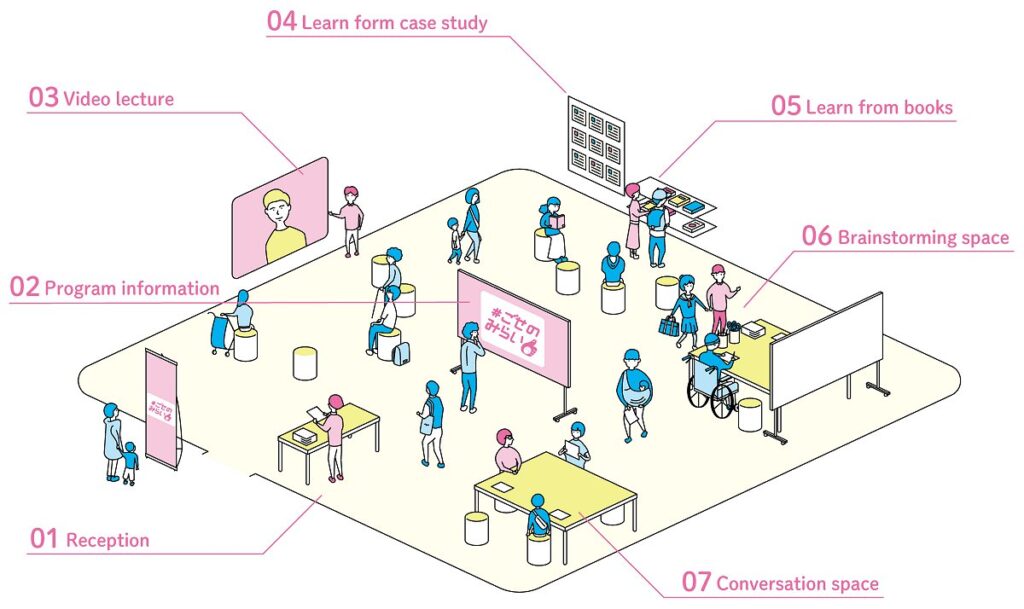
(6) To engage a diverse community in shaping an educational plan for Gose City, we designed a range of booths, allowing participants to choose how they wished to share their thoughts and express their opinions.
Central and local governments regularly prepare plans in areas such as environment, welfare, education and the master plan. These are often developed through discussions between officials and consultants.
An alternative approach is to involve local community through workshops, allowing participants to exchange perspectives and reflect their ideas in the plans. In some cases, this process also leads to the emergence of citizen-led activities.
Example – Healthcare and Social Welfare
In a super-ageing society, it is important that healthcare and social welfare facilities are not isolated from their surrounding communities, particularly in terms of connecting older people, young families with children, and people with disabilities.
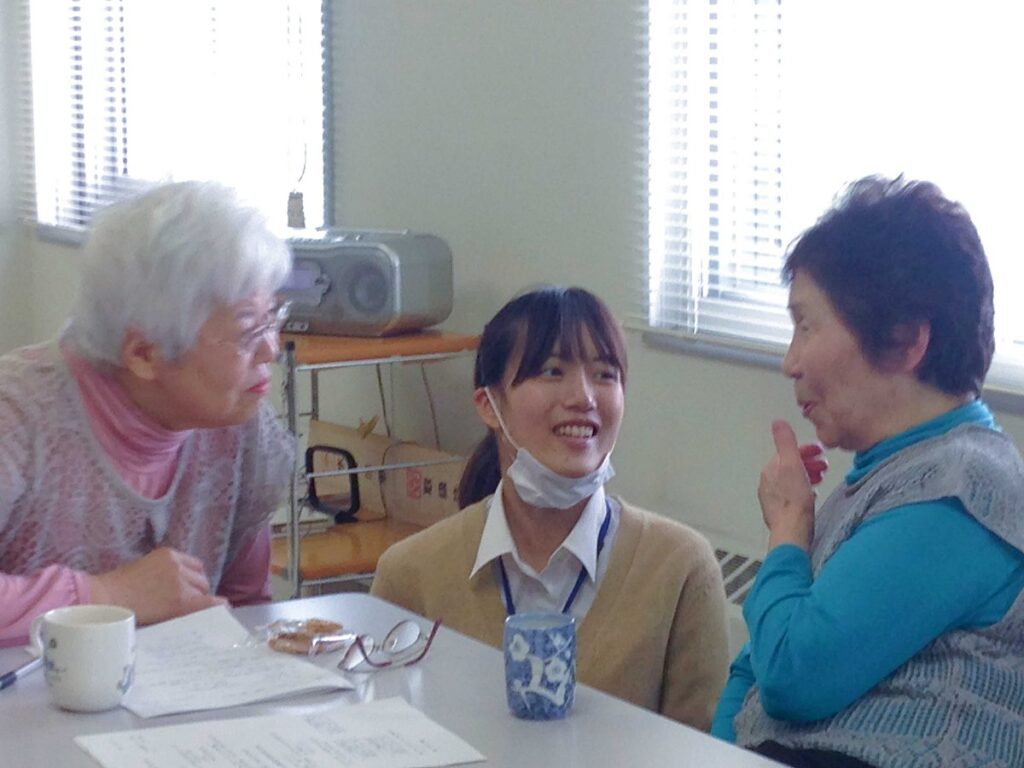
(7) In the rural village of Numata, the clinic serves as a gathering place for local residents. Programmes are organised by the community.
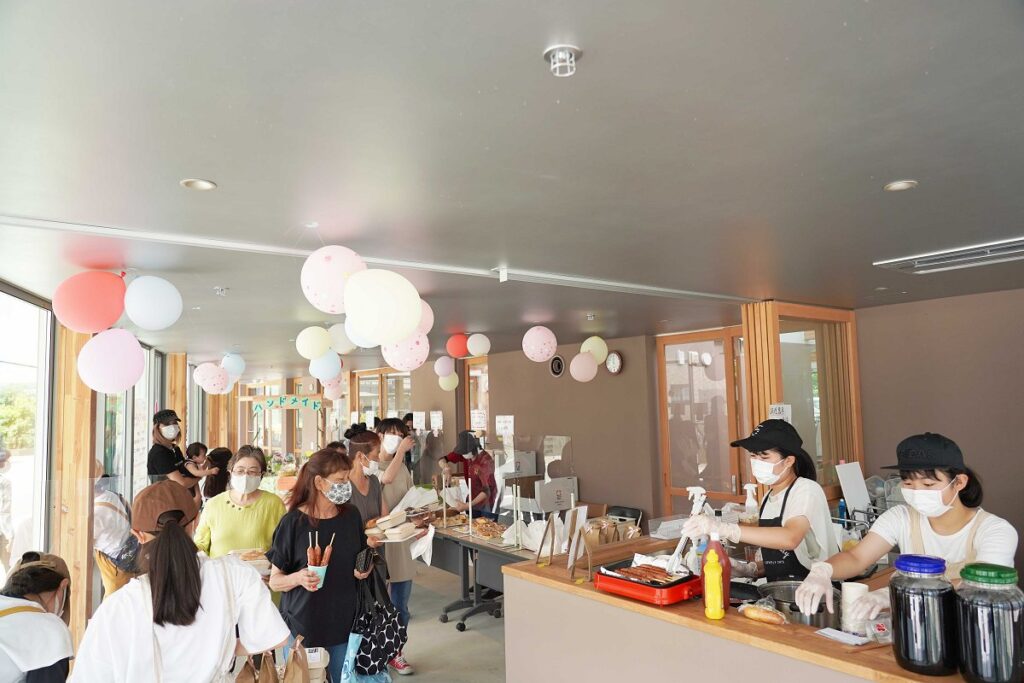
(8) A day-care centre for older people in Yachimata City, with an attached café run by local mothers.
When such facilities are planned, it can be beneficial to involve local residents in advance and to consider spaces where interaction can take place between the people who use them and the wider community. At the same time, fostering relationships among residents themselves may support informal forms of mutual care.
Example – Education
It may also be important to consider how children remain connected to their communities.
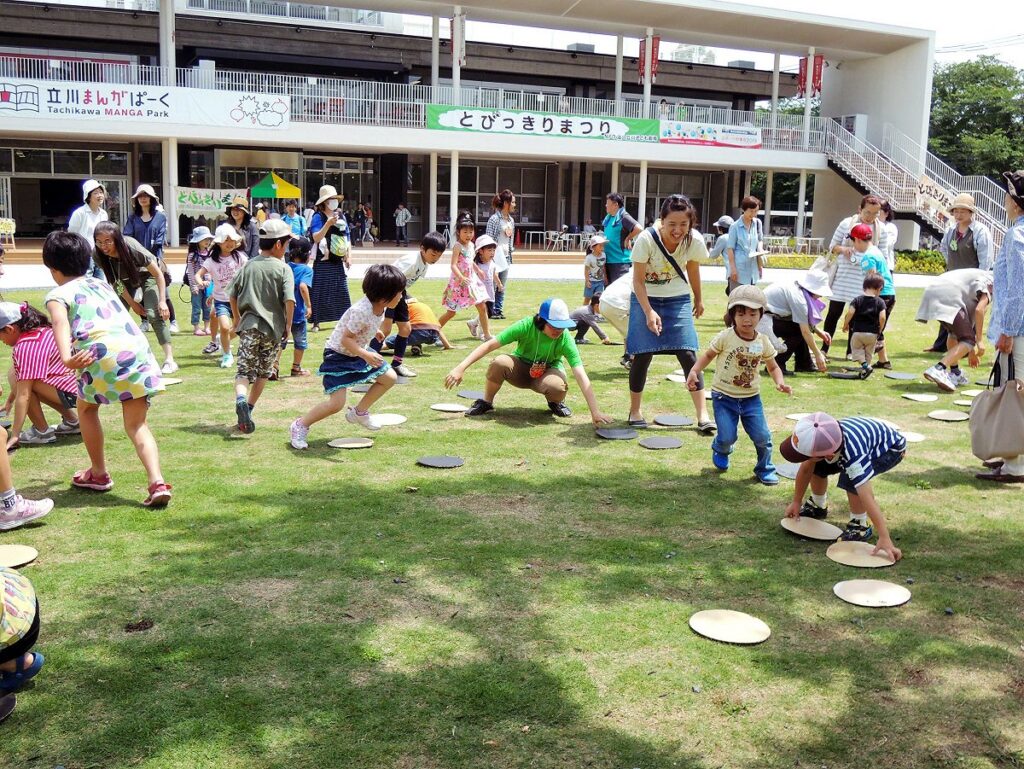
(9) A typical scene at the Tachikawa Children’s Future Centre, where programmes are organised by civic group members for children, while also providing enjoyment for themselves.
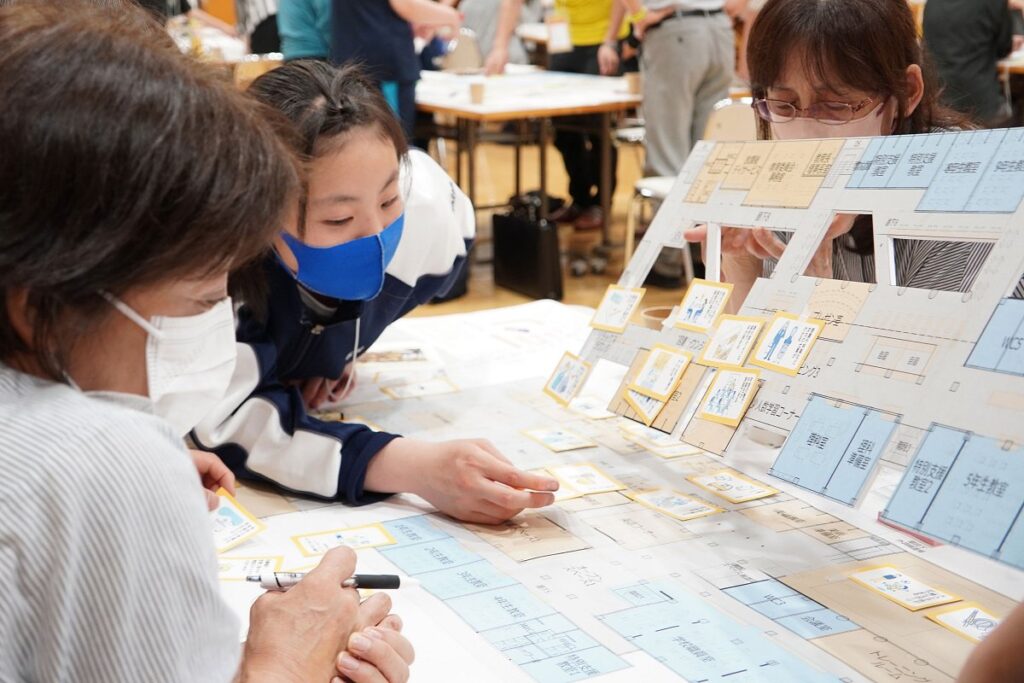
(10) When considering the future of a new combined primary and secondary school, people of all ages and backgrounds are invited to share their ideas and views.
In projects related to schools or children’s centres, discussions with local community can help to create environments where children and adults can interact. Similarly, in the development of educational policies, workshops that include both children and adults may provide opportunities for shared learning and collaborative decision-making. When intergenerational interaction takes place, both children and adults can learn to care for others and to be more attentive to their surroundings.
More examples – Tourism, Art, and Commerce
In recent years, community design has also been applied in other fields.
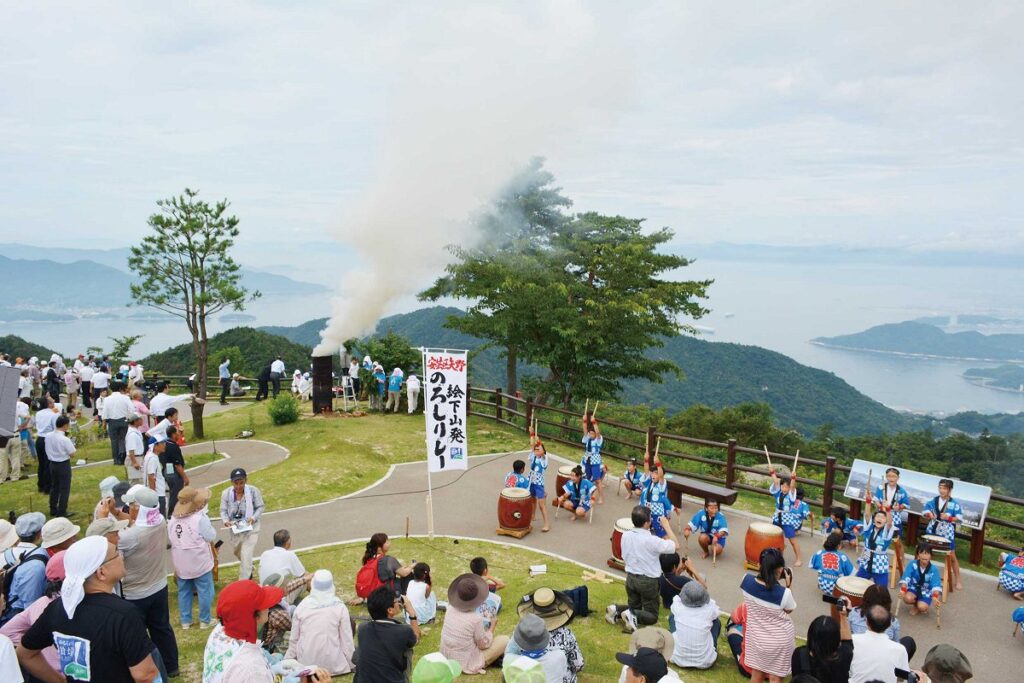
(11) Local residents in Hiroshima welcome visitors and provide tours and activities in their town.
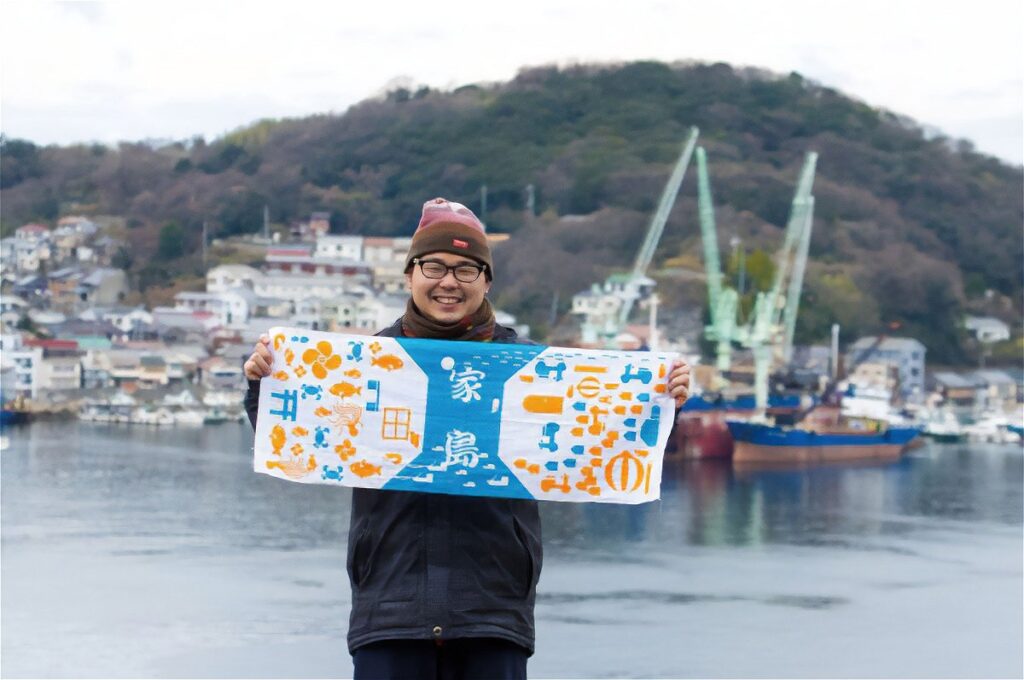
(12) A former participant has become the owner of a guesthouse and concierge in Ieshima.
In tourism, discussions with residents can help to consider the future direction of local areas, particularly in places experiencing increased visitor numbers and over-tourism. While an increase in tourism can support economic growth, it may also create challenges that affect the daily lives of local residents. When considering the future of tourism, discussions should involve not only industry stakeholders but also local communities. In some cases, collaboration between tourism operators and local residents can lead to the creation of more authentic experiences for visitors.
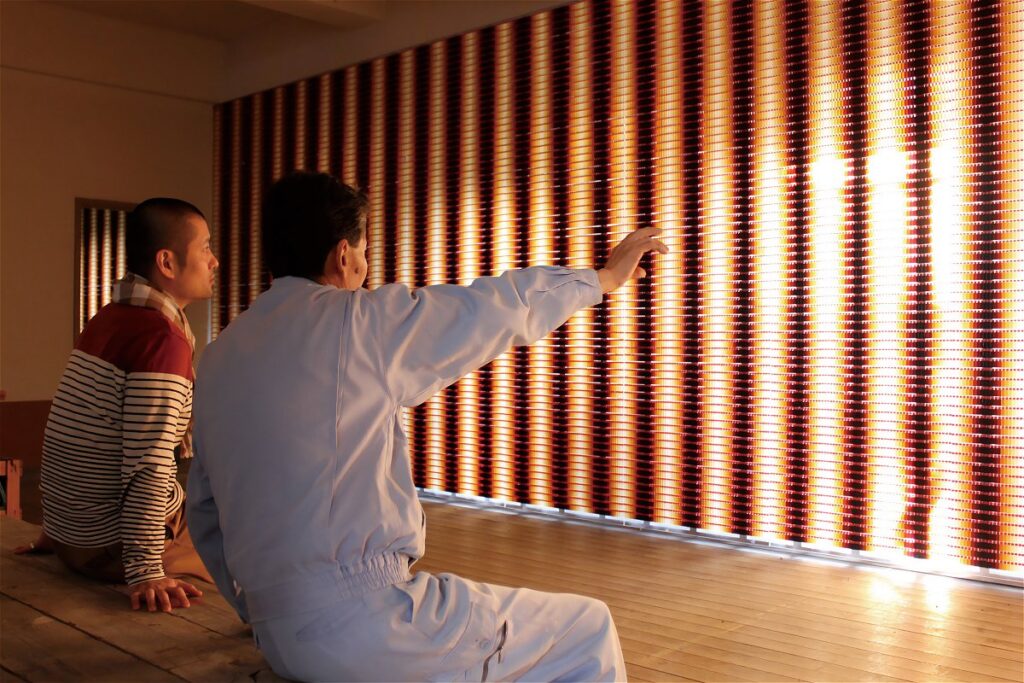
(13) A “soy sauce bottle wall” created by over 100 local residents using more than 10,000 unwanted bottles in Shodoshima Island, known for its soy sauce production.
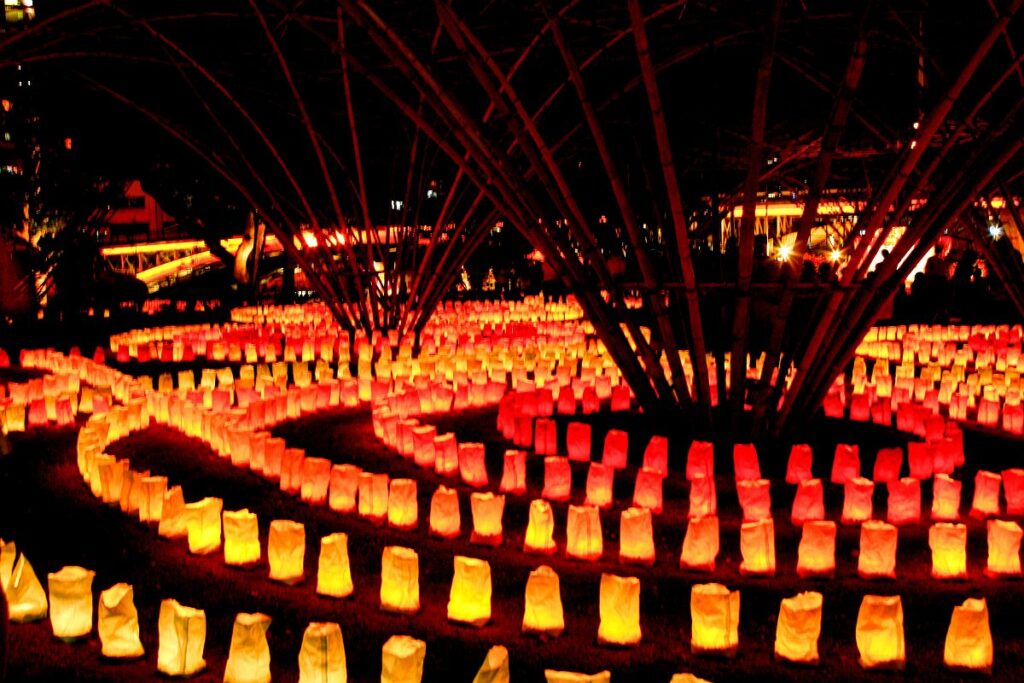
(14) Each lantern was made by participants in an art workshop, forming a large installation in Osaka.
While artworks created solely by artists are compelling, participatory art created with residents holds great potential. The local residents can come together to discuss, find materials from the local area, and collaborate on creating artworks.
Collaborative processes with residents may lead to works that support social connections.
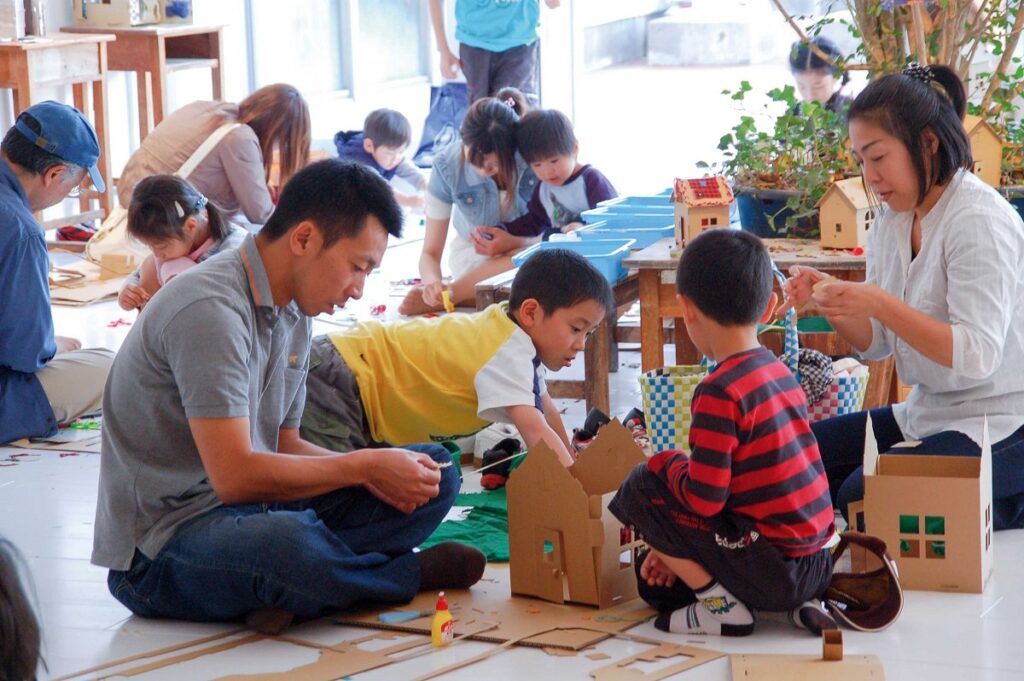
(15) Maruya Gardens department store provides dedicated space for local residents to carry out their programmes.
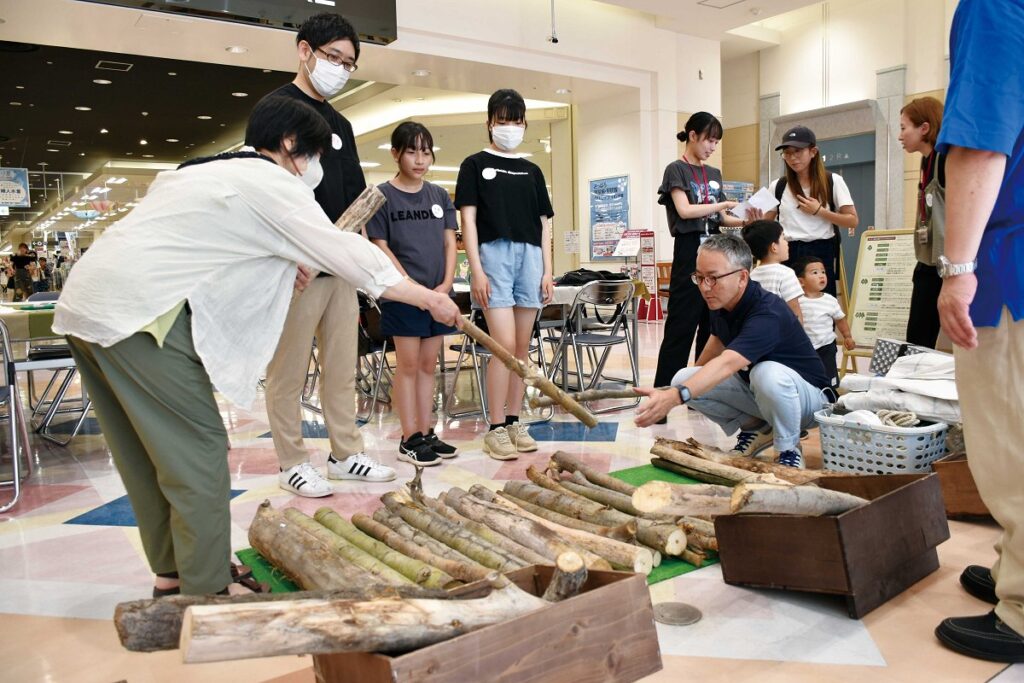
(16) This Aeon shopping mall includes a forested area where local residents can choose to host programmes either inside the mall or outdoors.
In commercial facilities, workshops can help to develop activities that extend beyond consumption and encourage ongoing engagement with the space.
Although these fields are different, they share a common aspect: the importance of relationships and participation in shaping how spaces are used.
Conclusion – Toward Citizen Involvement
There is broad agreement that cities should be inclusive, diverse, sustainable, and regenerative. At the same time, it may be necessary to reflect on how these goals are achieved.
If planning is carried out only by specialists, residents may remain in a passive role. In contrast, creating opportunities for participation may encourage people to become more actively involved in their communities and start to care about them.
Community design is one approach that attempts to support this process. It places importance on dialogue, shared learning, and the gradual development of relationships.
This is not unique to Japan. Many developed countries are facing similar challenges including in Europe. While few have yet experienced population decline, many will in the coming decades. The limitations of growth-era urban planning will become increasingly evident.
Local community should not be treated as passive customers. Architecture should not focus only on bold design expressions. Highly specialized planning in transportation, housing, green spaces, and infrastructure should not proceed without citizen involvement. It must be carried out together with the community.
On Documenting Practice
One difficulty in community design is that many of its processes are not easily visible. Unlike architecture, there are no drawings or physical forms that fully represent the outcomes.
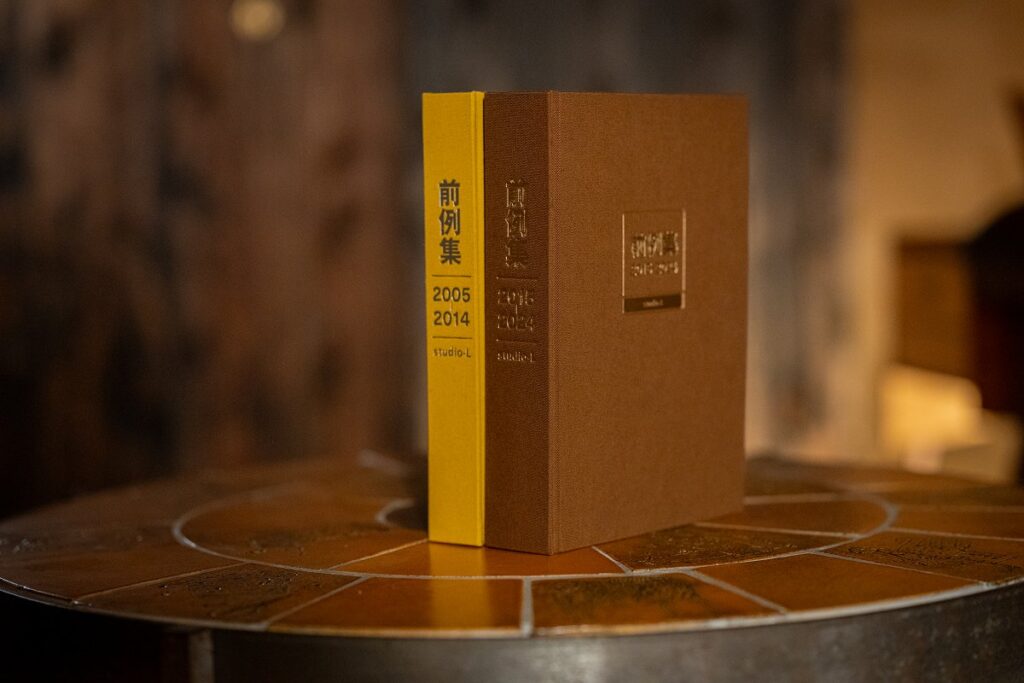
(17) Zenrei-shu consists of two volumes, each covering 10 years of our projects.
For this reason, I compiled a publication titled Zenrei-shu: Community Design Projects 2005–2024 A Documentation of Twenty Years of studio-L’s Practice, which documents selected projects from the past twenty years. It focuses on processes, methods, and tools, using the abundance of diagrams and photographs to help the readers to understand them visually as well as narratively.
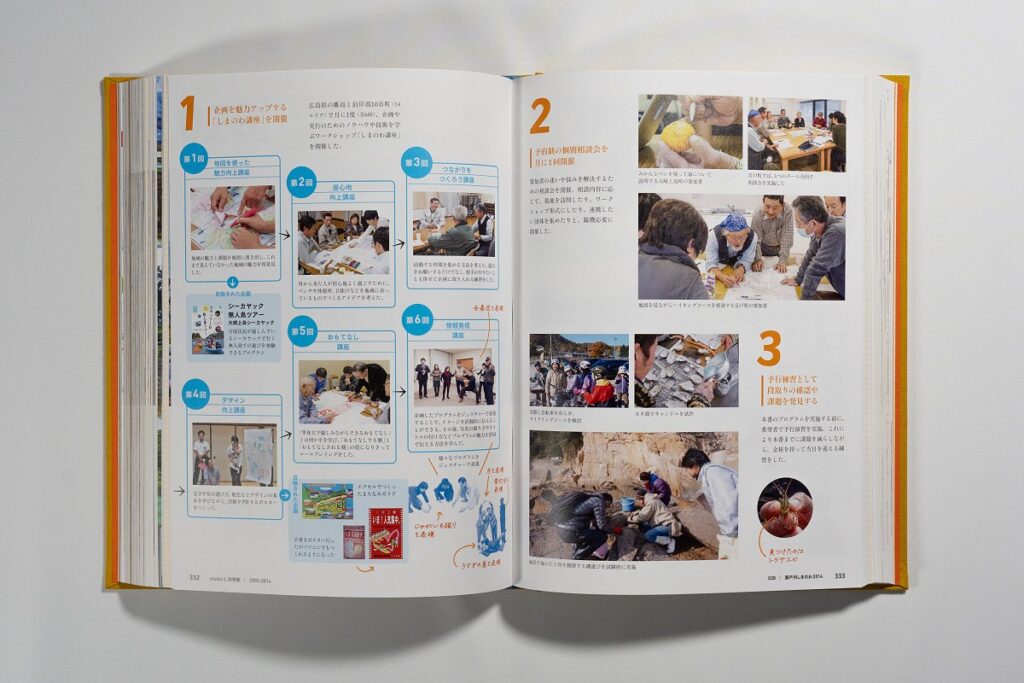
(18) It explains the process of each project from its beginning through to after our involvement ends.
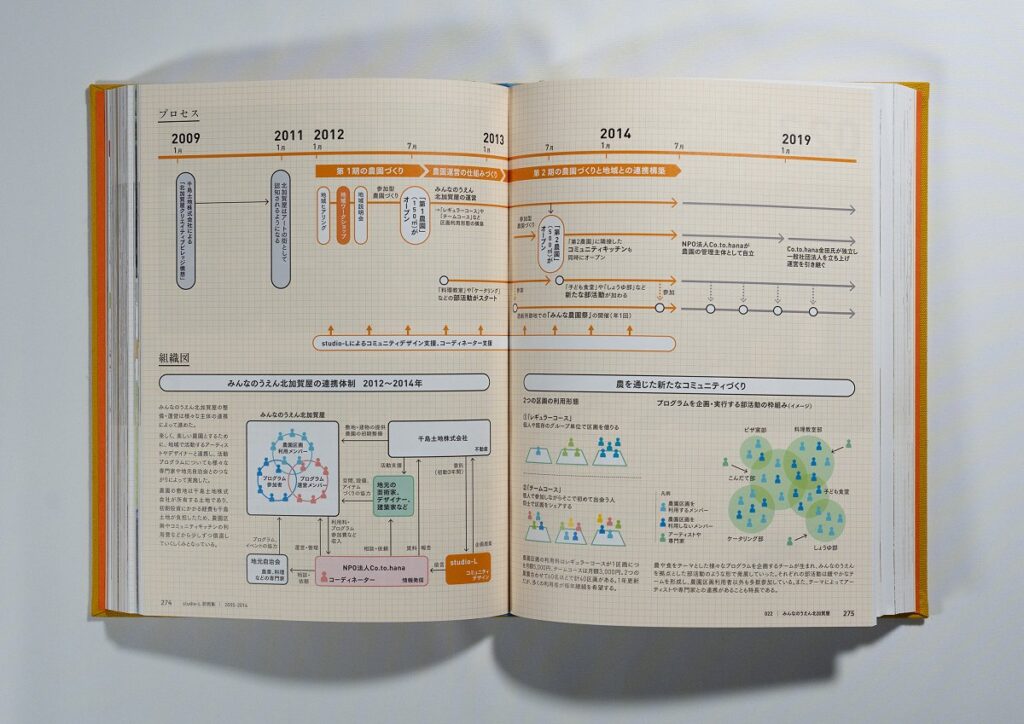
(19) Diagrams and photographs are used to support intuitive understanding.
At the moment, it is only available in Japanese. However, we are looking forward to publishing its English edition to share more widely in the future, and that they may contribute, even in a small way, to discussions in other contexts.
Community Design Practice in Japan.
Text: Ryo Yamazaki, Managing Director, studio-L / Professor, School of Architecture, Kwansei Gakuin University
Editing: Favas.net
Images: studio-L
Special thanks to Noriko Deno & Andy Pompilio
See also:
Fava Principles